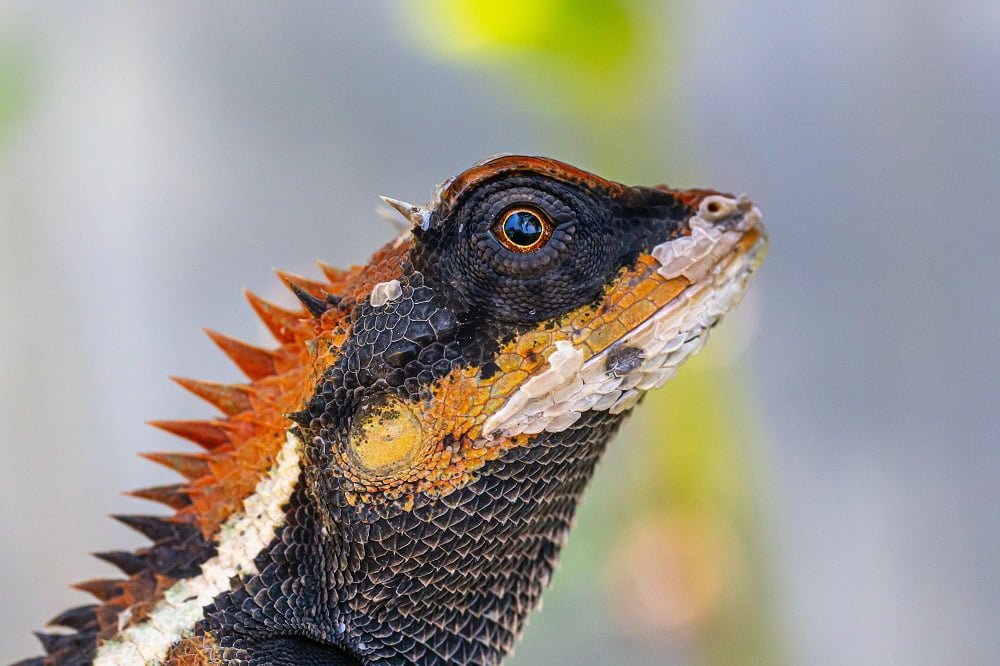
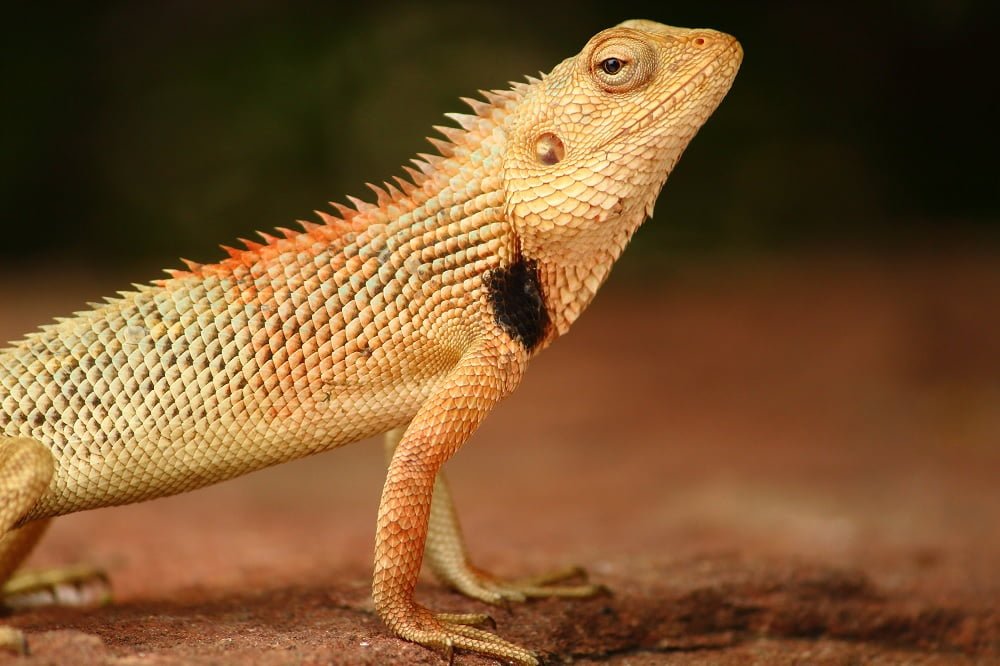
Ever seen a lizard that waves? Meet the Bearded Dragon, a friendly reptile with a personality as unique as its spiky beard! Perfect for both beginners and seasoned reptile lovers, these creatures are a bundle of surprises.
Diet: Omnivorous—loves veggies, fruits, and insects
Activity: Diurnal (active during the day)
Social Behavior: Generally solitary but can be friendly with humans
Bearded Dragon Tank Setup: A Quick Guide
Choose the Right Size: For an adult bearded dragon, a 40-gallon tank is the minimum size. More space is always better to allow for proper exercise and exploration.
Temperature Gradient: Set up a basking area with a temperature of about 95–110°F and a cooler area around 85°F. This gradient is vital for their thermoregulation.
UVB Lighting: Essential for their health, a UVB bulb should span at least 2/3 of the tank’s length and be replaced every 6–12 months.
Substrate: Opt for reptile carpet, tile, or newspaper. Avoid sand or loose substrates to prevent the risk of impaction.
Hideaways and Climbing Structures: Provide hiding spots and branches for climbing to mimic their natural environment and support physical activity.
Water and Food Dishes: Shallow dishes are best for easy access. Ensure they are sturdy to avoid tipping over.
Regular Cleaning: Maintain cleanliness to prevent the growth of bacteria and parasites.
By following these steps, you can create a comfortable and healthy habitat for your bearded dragon, promoting a happy and long life.
Bearded Dragon Diet: Essential Points
Variety: Include a mix of vegetables, fruits, and live insects such as crickets and mealworms.
Feeding Frequency: Juveniles should eat daily, while adults can be fed every other day.
Supplements: Calcium and vitamin D3 supplements are crucial for their health.
Hydration: Provide fresh water and occasional misting to keep them hydrated.
Handling and Interaction
Gentle Approach: Slow movements to build trust.
Regular handling helps in bonding and reduces stress for the dragon.
Supervised Playtime: Outside the terrarium under watchful eyes.
Common Health Issues
Metabolic Bone Disease: Preventable with proper UVB lighting and diet
Dehydration: Ensure fresh water is always available.
Parasites: Regular check-ups with a vet are vital.
Cleaning and Maintenance
Daily Spot Cleaning: Remove uneaten food and waste.
Full Cleaning: A monthly deep clean of the entire terrarium
Unique Features of Bearded Dragons
Color Varieties: From standard browns to vibrant reds and oranges
Size: Can grow up to 24 inches
The ‘Beard’: Puffs up when threatened or courting
FAQs About Bearded Dragons
1: How often do they eat?
Juveniles: daily; adults: 3–4 times a week.
2: Do they need companions?
They’re happy alone but enjoy human interaction.
3: Can they be trained?
Yes, to some extent, I like recognizing their name.
4: How long do they live?
Typically 8–12 years.
5: Are they good with kids?
Yes, but supervise interactions.
6: Can they swim?
They can, but don’t make it a regular activity.
7: What do they eat?
A mix of insects, greens, and occasional fruits.
8: Do they need sunlight?
UVB lighting in their habitat is essential.
9: Can they change color?
They can darken or lighten their skin.
10: Are they noisy?
No, they’re quite quiet pets.
Conclusion: Why a Bearded Dragon?
Bearded dragons are more than just pets; they’re companions with character. Whether it’s their friendly wave or unique eating habits, these creatures bring joy and fascination to your home. Plus, they’re a great way to teach responsibility and care to younger family members.
References and External Links
Scientific Journals:
“Journal of Herpetology” for research papers on reptile biology and behavior. Visit Website
Veterinary Resources:
Association of Reptilian and Amphibian Veterinarians (ARAV) for professional health advice. Visit ARAV
Reputable pet care websites:
PetMD’s Reptile Center offers comprehensive care guides. Check PetMD
University resources with veterinary departments for academic perspectives on reptile care.
Bearded Dragon Forums and Communities:
BeardedDragon.org for community-driven advice and experiences. Join the Community
Books and Publications:
“The Bearded Dragon Manual” by Philippe de Vosjoli for in-depth care instructions. Available in major bookstores or libraries.
Each of these resources offers valuable, authoritative information on bearded dragon care, from basic needs to advanced health topics. They’re essential for anyone looking to deepen their understanding of these unique pets.