
Ferrets are playful and curious animals. One special type of ferret is the Angora ferret. It is unique because of its long and soft fur. Many people love Angora ferrets because they look beautiful and have friendly personalities. If you are thinking about getting an Angora ferret as a pet, this article will help you understand everything about them.
Breed Overview
| Feature | Details |
|---|---|
| Scientific Name | Mustela putorius furo |
| Class | Mammalia |
| Order | Carnivora |
| Family | Mustelidae |
| Origin | Europe (Sweden) |
| Lifespan | 6-10 years |
| Size | 13-16 inches (33-40 cm) |
| Weight | 1.5-5 pounds (0.7-2.3 kg) |
| Fur Length | Up to 4 inches (10 cm) |
| Temperament | Playful, social, intelligent |
| Diet | Carnivorous |
| Common Colors | White, black, brown, mixed |
| Grooming Needs | High (due to long fur) |
| Cost | $200-$500+ |
History
The Angora ferret is not a natural breed. It was first bred in Europe, especially in Sweden, in the 1980s. Breeders wanted to create a ferret with longer fur. At first, they were bred for their fur, but later, people started keeping them as pets. Today, Angora ferrets are popular among ferret lovers worldwide.
Appearance
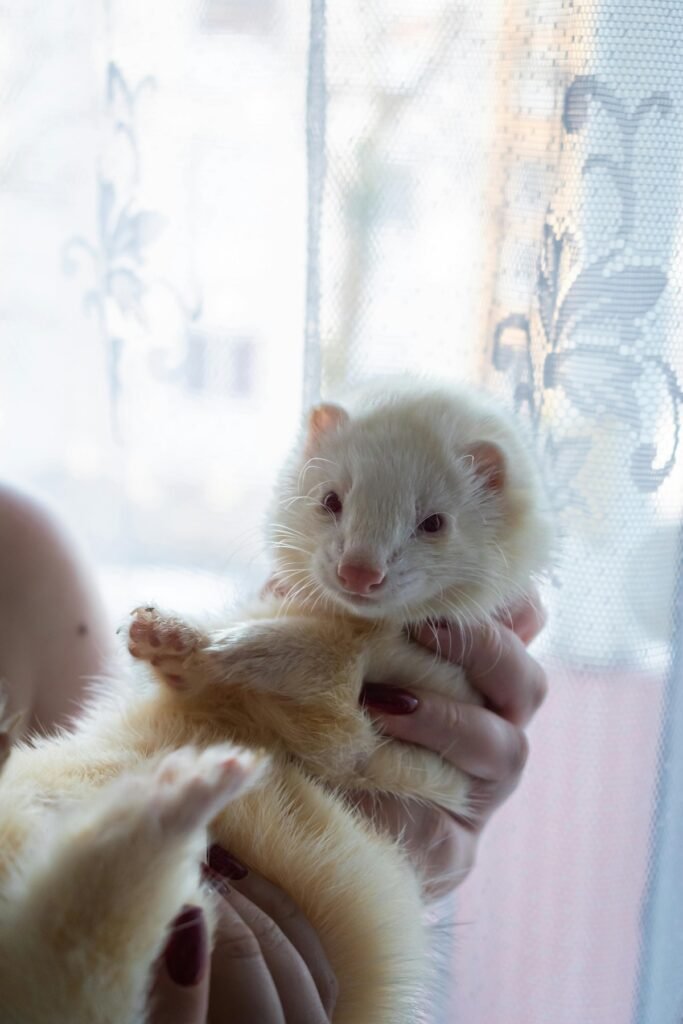
Angora ferrets look different from regular ferrets. Their fur is much longer and thicker. Some Angora ferrets have fur that grows up to four inches long. Their fur can be wavy or straight. They come in many colors, including white, black, brown, and mixed colors. Another special feature is their small nose flap, which is different from other ferrets.
Personality and Behavior
Angora ferrets are just as playful as regular ferrets. They love to explore, play, and interact with humans. They are very social and enjoy being around other ferrets or pets. If they are left alone for too long, they may feel lonely or bored. They are also intelligent and can learn tricks or commands. Some Angora ferrets even learn to use a litter box.
Housing and Habitat
Angora ferrets need a safe and comfortable home. A large cage is important for them to move around. The cage should have multiple levels, hammocks, tunnels, and hiding spots. Soft bedding will make them comfortable. They also need time outside the cage every day to exercise and play. Make sure the house is ferret-proof to prevent accidents.
Diet and Nutrition
A healthy diet is crucial for Angora ferrets. They are carnivores, which means they need meat to stay healthy. Their diet should include:
High-quality ferret food
Raw or cooked meat like chicken or turkey
Eggs as a treat
Special ferret treats
Avoid giving them fruits, vegetables, or dairy because their bodies cannot digest them properly.
Grooming and Care
Since Angora ferrets have long fur, they need more grooming than regular ferrets. Regular brushing will help prevent tangles and matting. Bathing them too often is not good because it can dry out their skin. Instead, clean them with a damp cloth when needed. Trim their nails regularly and clean their ears to avoid infections.
Health and Common Problems
Angora ferrets can have some health problems. Some common health issues include:
Adrenal gland disease – Causes hair loss and weakness
Insulinoma – Affects blood sugar levels
Dental issues – Due to improper diet
Respiratory infections – If kept in a dusty or dirty environment
Regular vet checkups and a proper diet can help prevent these problems. Make sure to find a vet who has experience with ferrets.
Training and Socialization
Angora ferrets are smart and can be trained. You can teach them to use a litter box or even do tricks. Positive reinforcement, like treats and praise, works best. They also need to be socialized from a young age. Let them meet different people and other pets so they feel comfortable.
Breeding and Babies
Breeding Angora ferrets should only be done by experts. They have special breeding needs, and it can be risky if done incorrectly. Female ferrets (jills) need proper care during pregnancy. Baby ferrets (kits) are born small and blind, and they need their mother’s milk for the first few weeks. If you want a baby Angora ferret, it is best to get one from a reputable breeder.
Cost and Availability
Angora ferrets are more expensive than regular ferrets. Their price can range from $200 to $500 or more. The cost depends on their color, quality, and breeder. They are not as common as standard ferrets, so you may need to search for a good breeder. Adoption is also an option if you can find one in a rescue center.
Pros and Cons of Owning an Angora Ferret
Pros
Beautiful and unique appearance
Friendly and social
Playful and entertaining
Can be trained
Cons
Requires more grooming
Can be expensive
Needs a lot of attention
Prone to health issues
Conclusion
Angora ferrets are wonderful pets for the right owner. They are beautiful, playful, and full of personality. However, they need proper care, time, and attention. If you are ready for the responsibility, an Angora ferret can be a loving and fun companion. Make sure to do proper research before bringing one home so you can give them the best life possible.